Photography by Jeroen Noordzij
Een huis vol
Sander: “Wij zijn in Lelystad geboren, maar opgegroeid in Assen. Onze ouders zijn gescheiden en later is onze moeder hertrouwd. We woonden in een samengesteld gezin met in totaal elf mensen, dus het was een super chaotisch nest.”
Arnout: “En in een niet al te groot huis. In het begin sliepen we zelfs met z’n vieren op één kamer, dat was ook wel heel gezellig. Hoewel we uit verschillende gezinnen komen, voelt het als één grote familie omdat we samen zijn opgegroeid. Onze zus en stiefzus zijn een jaar ouder, dus we gingen veel met z’n vieren om. Sander en ik waren wel altijd degenen die thuis druk en aanwezig waren. We stonden graag in het middelpunt, dus deden vaak optredens voor familie op verjaardagen. We zongen al vanaf jonge leeftijd.”
Sander: “Ik denk dat het er altijd al in zat en dat we daardoor plekken zochten om muziek te maken.”
Arnout: “En omdat je uit een groot gezin komt, moet je extra moeite doen om aandacht te krijgen. Dat heeft er denk ik wel een beetje aan bijgedragen.”
Kritisch Publiek
Arnout: “Er was altijd muziek bij ons thuis. Onze moeder heeft al zolang we ons kunnen herinneren een ernstig gehoorprobleem. Hoewel ze altijd met muziek bezig was, voornamelijk met marching bands, werd dat steeds lastiger voor haar naarmate de jaren verstreken. Als ze muziek luistert, is het op heel hoge volumes.”
Sander: “Ik denk dat het vooral heel belangrijk was dat er thuis muziekinstrumenten te vinden waren, wat een goede basis vormde om onze passie aan te wakkeren. Daarnaast gingen we als gezin op zondag naar de kerk en dat was een plek waar veel muziek was. We hebben eigenlijk nooit gitaarles gehad. In plaats daarvan leerden we gitaarspelen uit een christelijk boekje, want achterin stonden de akkoorden die we konden oefenen. Dat was eigenlijk onze leerschool.”
Arnout: “En ons podium, want we konden er zelf muziek maken en laten horen. Als het eigen muziek was, moest het wel even door de kerkenraad, maar het was wel de plek waar we leerden om voor mensen te spelen. Gereformeerden zijn kritische mensen, dus er werd niet geapplaudisseerd als we klaar waren. Omdat je het niet voor jezelf doet, was de gedachte.”
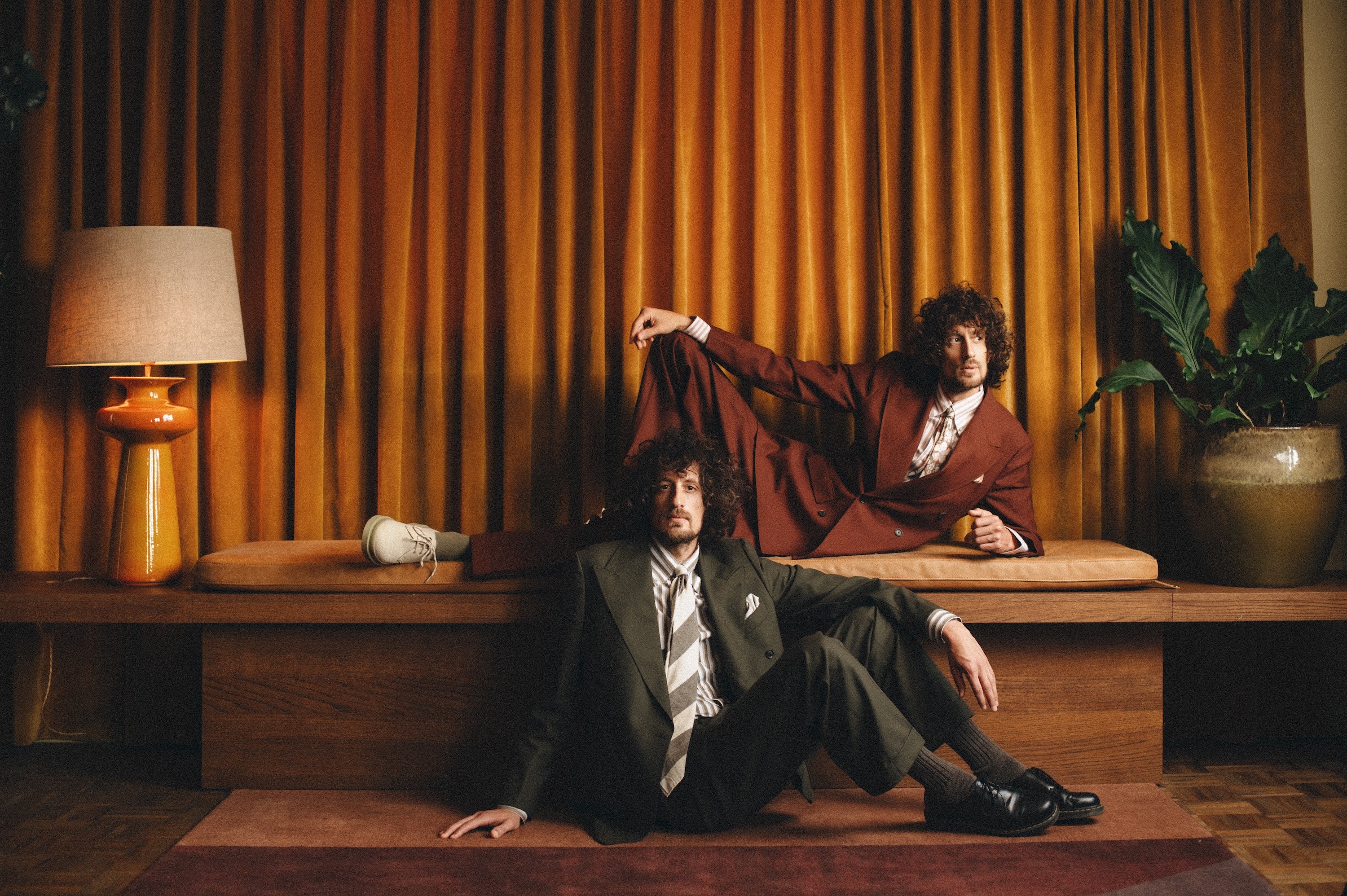
"Onze platen en liedjes zijn eigenlijk dagboeken."
Muzikale Zoektocht
Sander: “Muziek is een soort zaadje dat in je zit en je zoekt alles erbij wat daarop aansluit, zoals je omgeving en vrienden. Zo hadden we een vriend die teksten schreef en dat inspireerde ons enorm. We wisten al snel drie akkoorden op een gitaar te spelen, zodat we een liedje konden schrijven. Toen waren we ongeveer twaalf jaar oud.”
Arnout: “Daarvoor stonden we op school altijd op het podium. Op de basisschool hadden we elke vrijdag een soort weekafsluiting waar alle kinderen iets konden opvoeren. Dat deden wij altijd; we stonden standaard elke vrijdag te zingen. Dus we waren toen al echt bezig met muziek maken. Op een gegeven moment begonnen we met het schrijven van eigen liedjes in verschillende stijlen. We waren ooit groot fan van Michael Jackson en hebben zelfs nog heavy metal gemaakt.”
Sander: “Dat is natuurlijk deel van je puberteit – een muzikale zoektocht.”
Arnout: “Het afzetten tegen de kerk ook. Wij waren die heavy metal-types met zwarte kleding en gekleurd haar. We hebben het zelfs een keer blond geverfd voor de grap. Ik vond mijn krullen eigenlijk niet prettig, dus die probeerde ik met veel gel eruit te halen. Het was een leuke tijd, omdat je zo op zoek bent naar jezelf.”
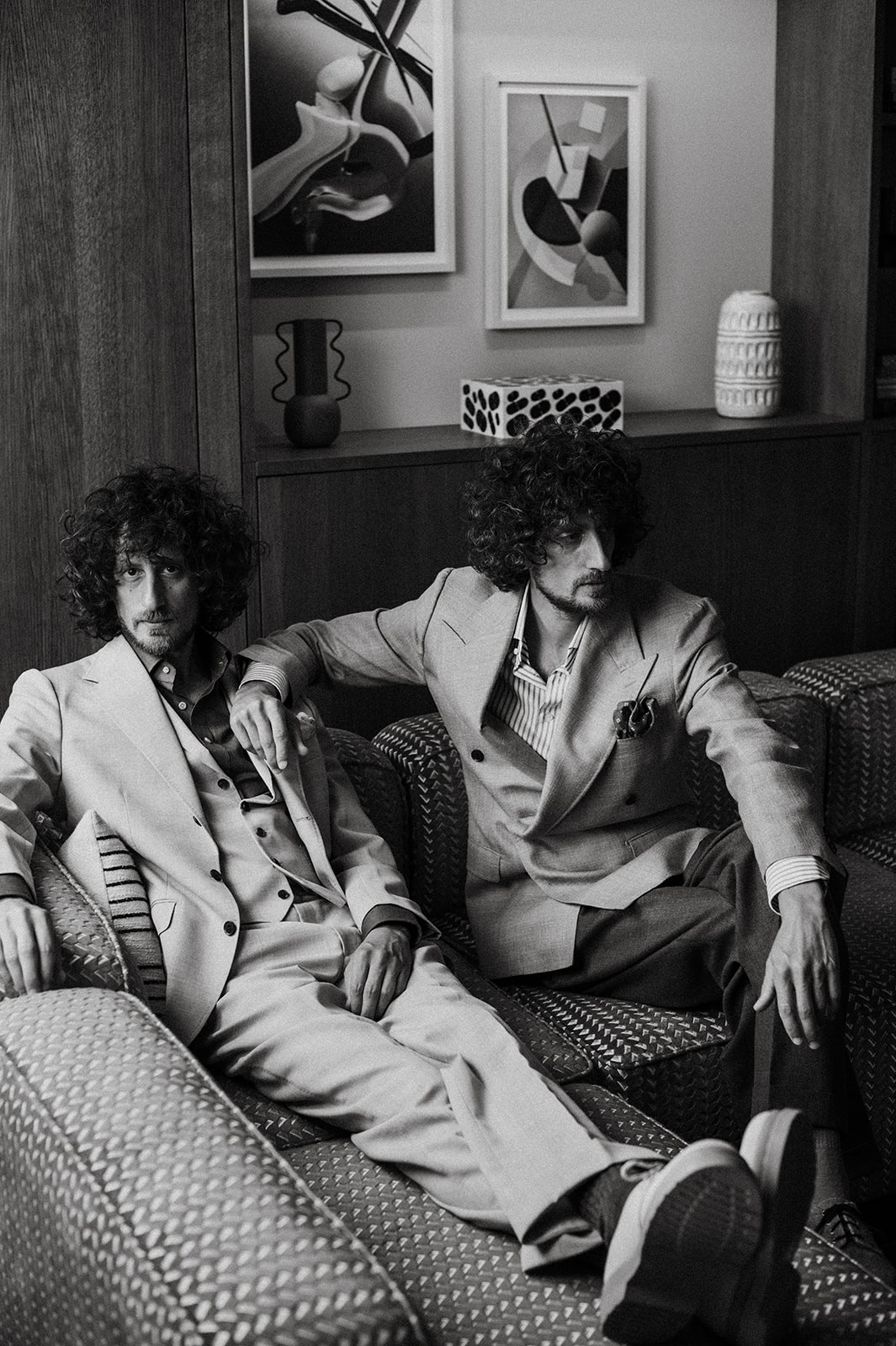
Geboren vanuit een spelfoutje
Arnout: “We zochten een mooi, bijzonder woord – iets als Nirvana. We hebben het woordenboek opengeslagen en zijn op zoek gegaan. ‘Tangerine’ vonden we een heel mooi woord, dat we overigens anders spellen dan gebruikelijk. Toen we jong waren hebben we een keer een demo opgenomen en de naam op het hoesje verkeerd laten drukken. Omdat we daar veel geld voor hadden betaald, konden we eigenlijk niet meer terug, dus hebben we het maar zo gelaten.”
Sander: “Het sluit aan bij wat wij deden en doen. We zagen dat woord en qua klank paste het bij onze muziek en persoonlijkheden.”
Een knipoog naar de jaren 70
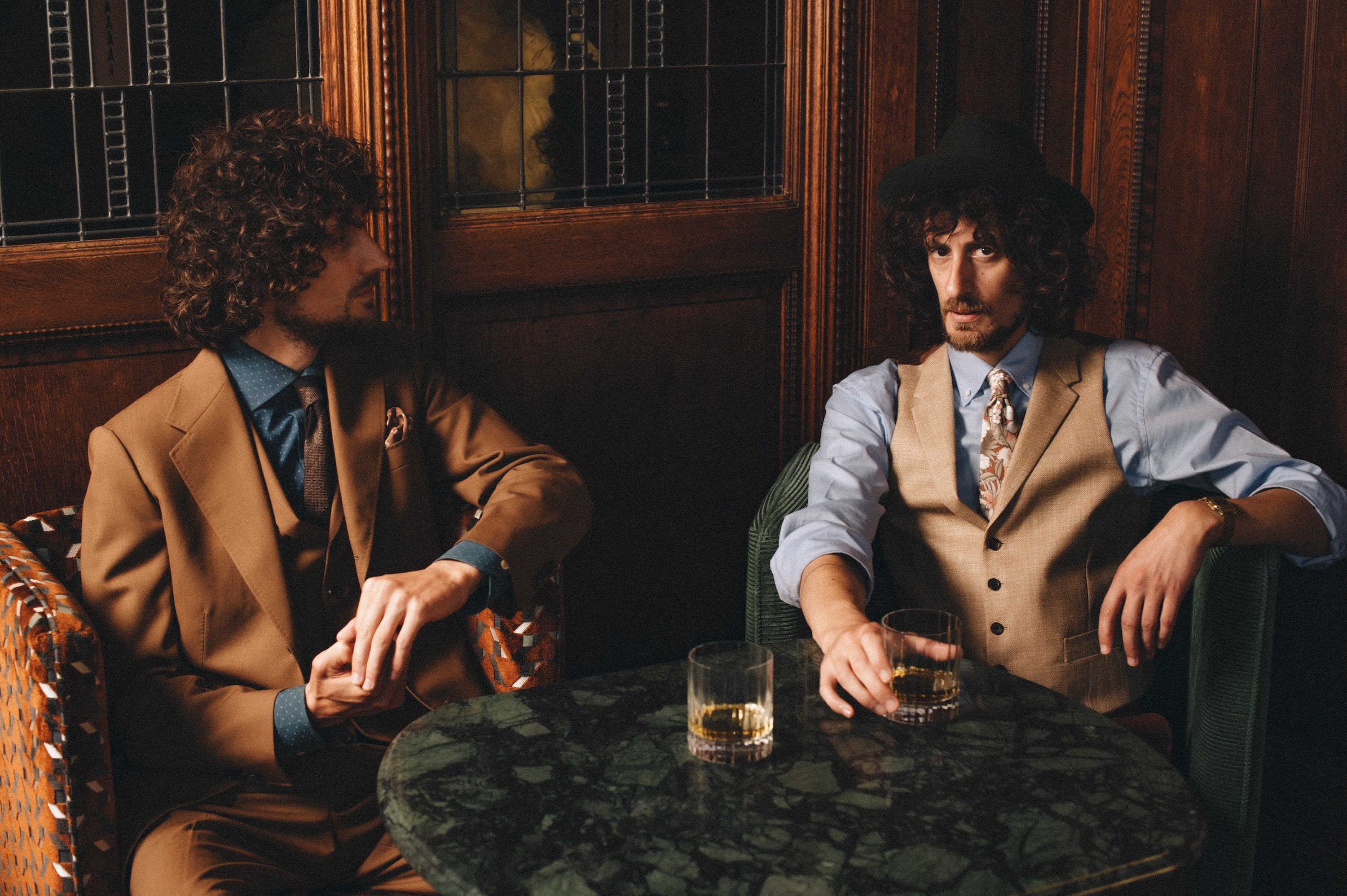
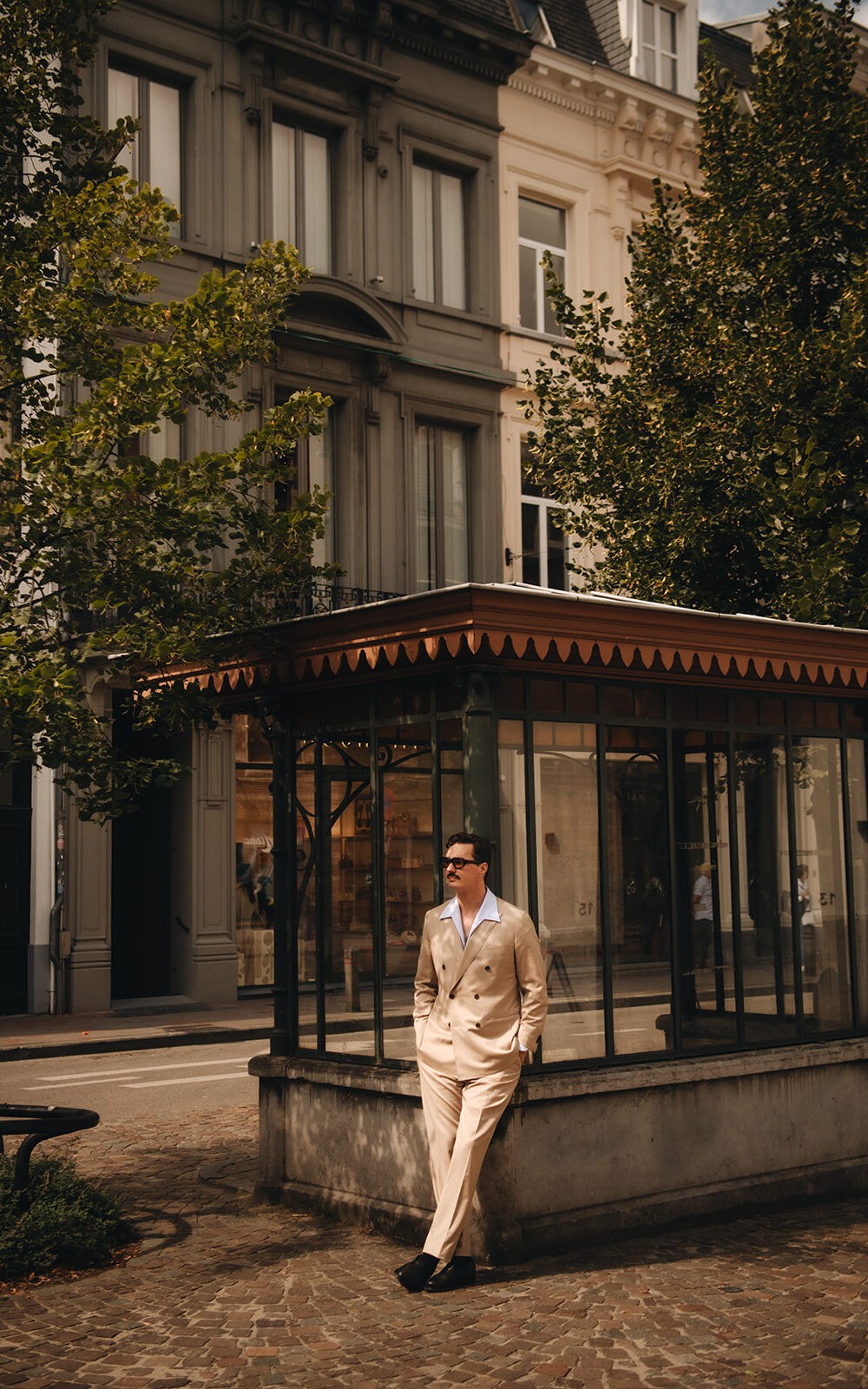
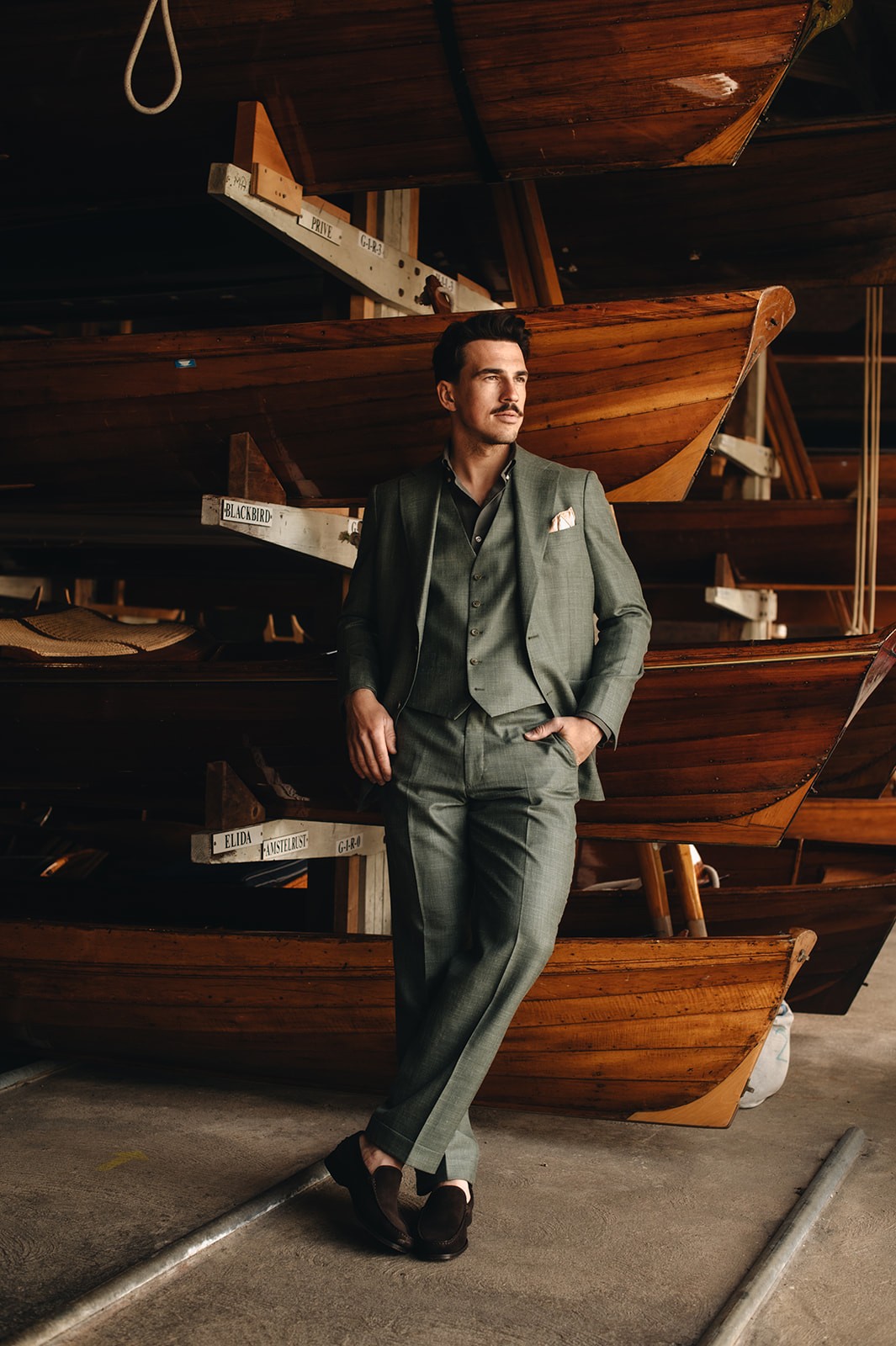
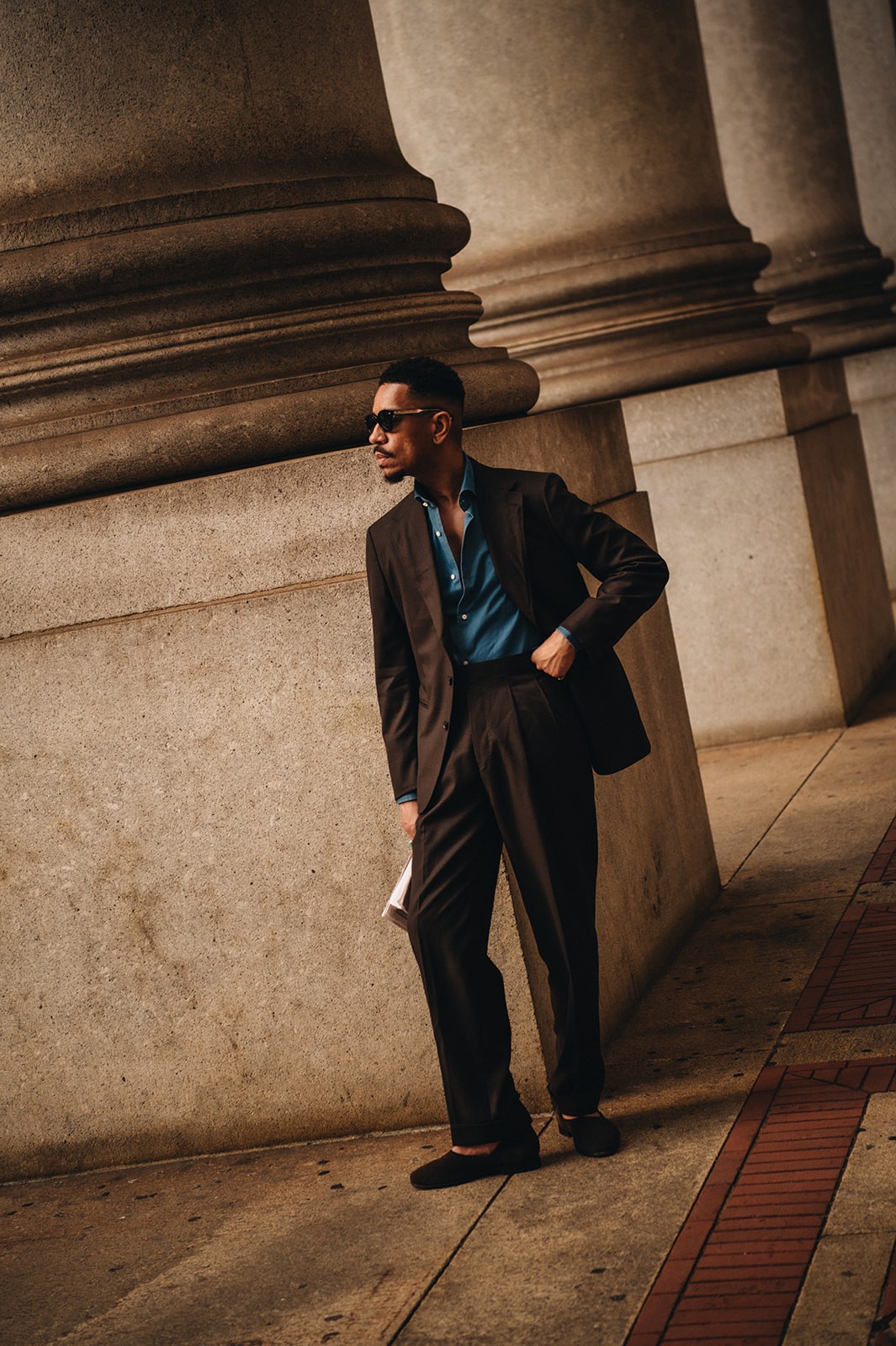
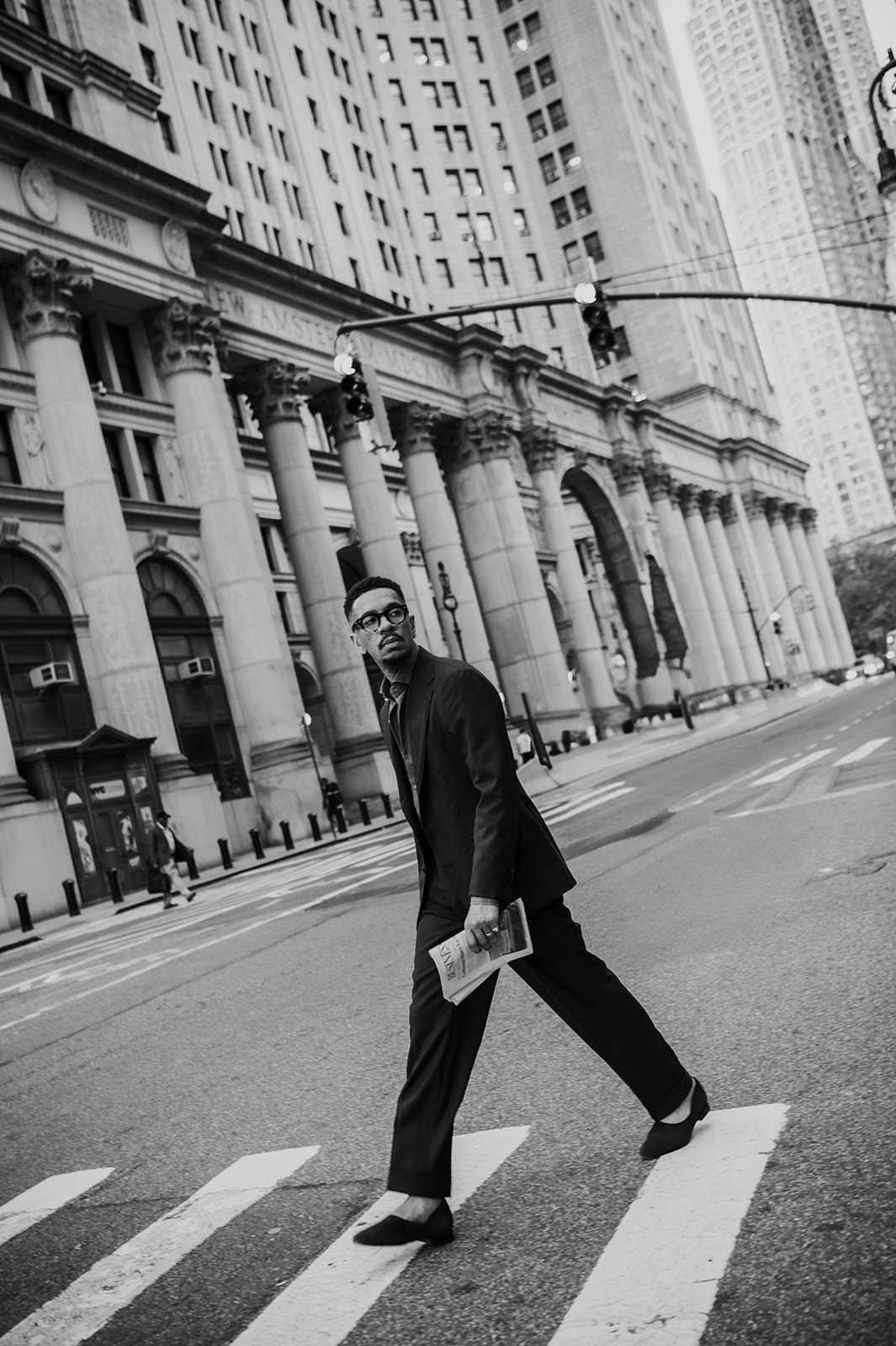
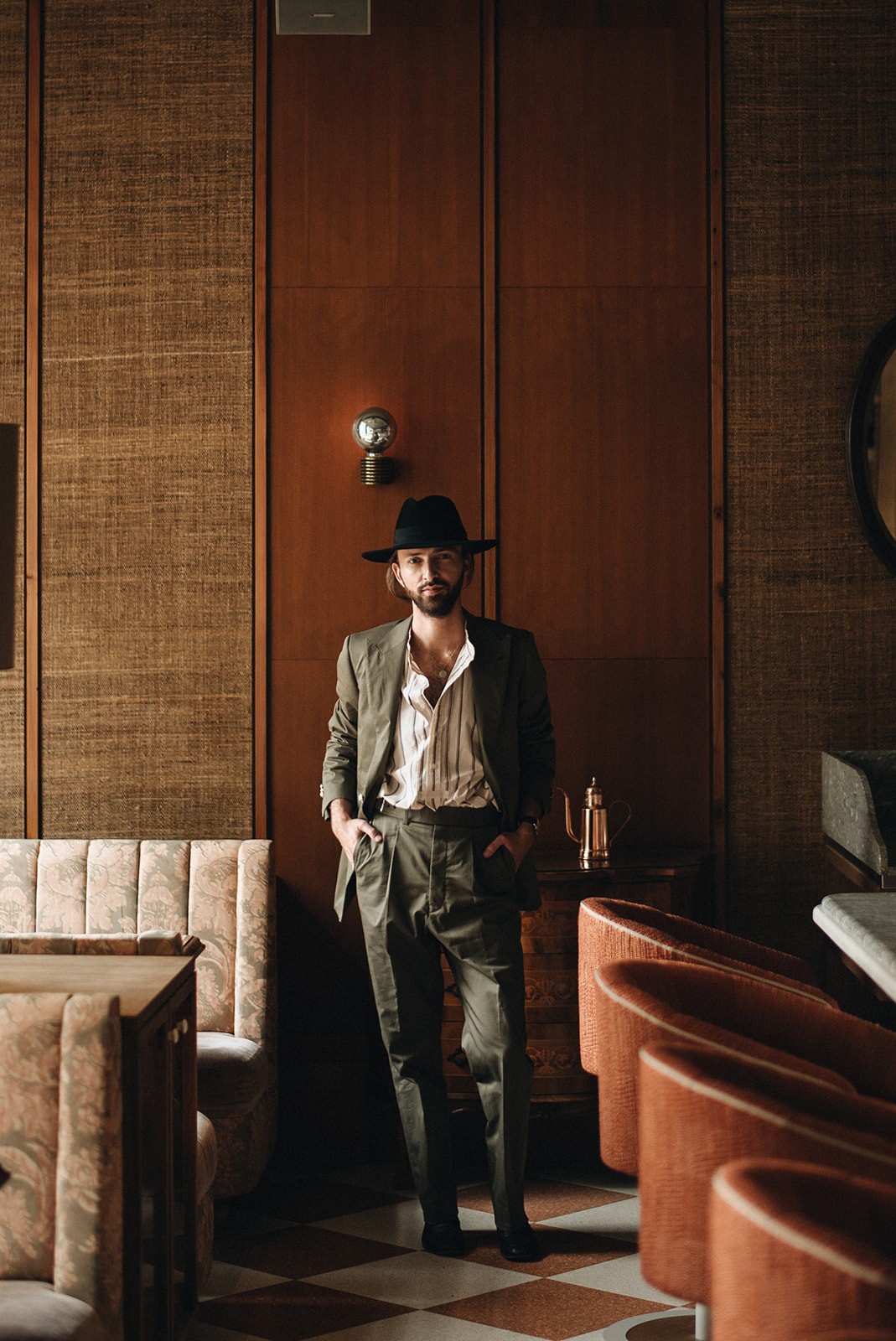
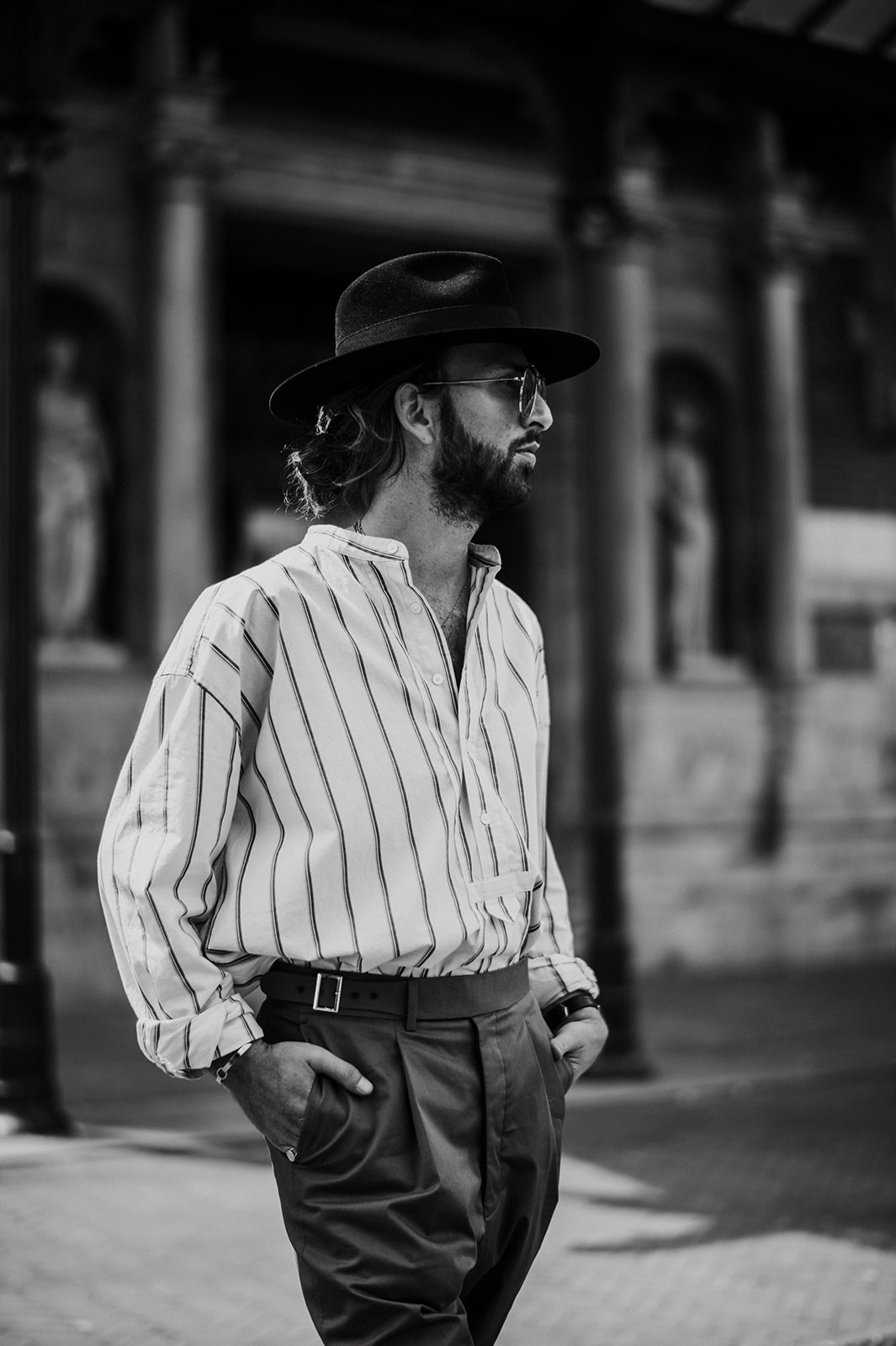
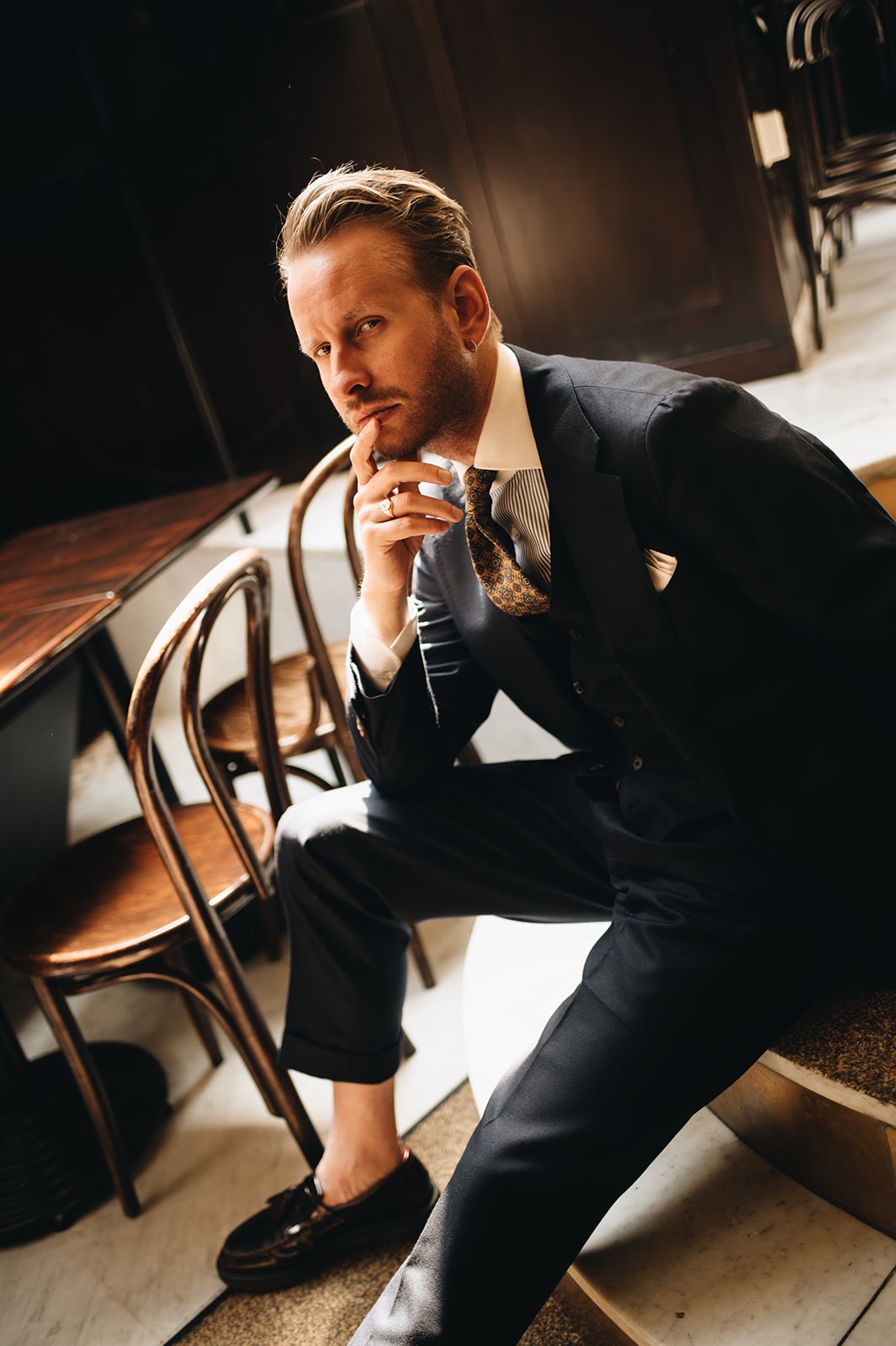
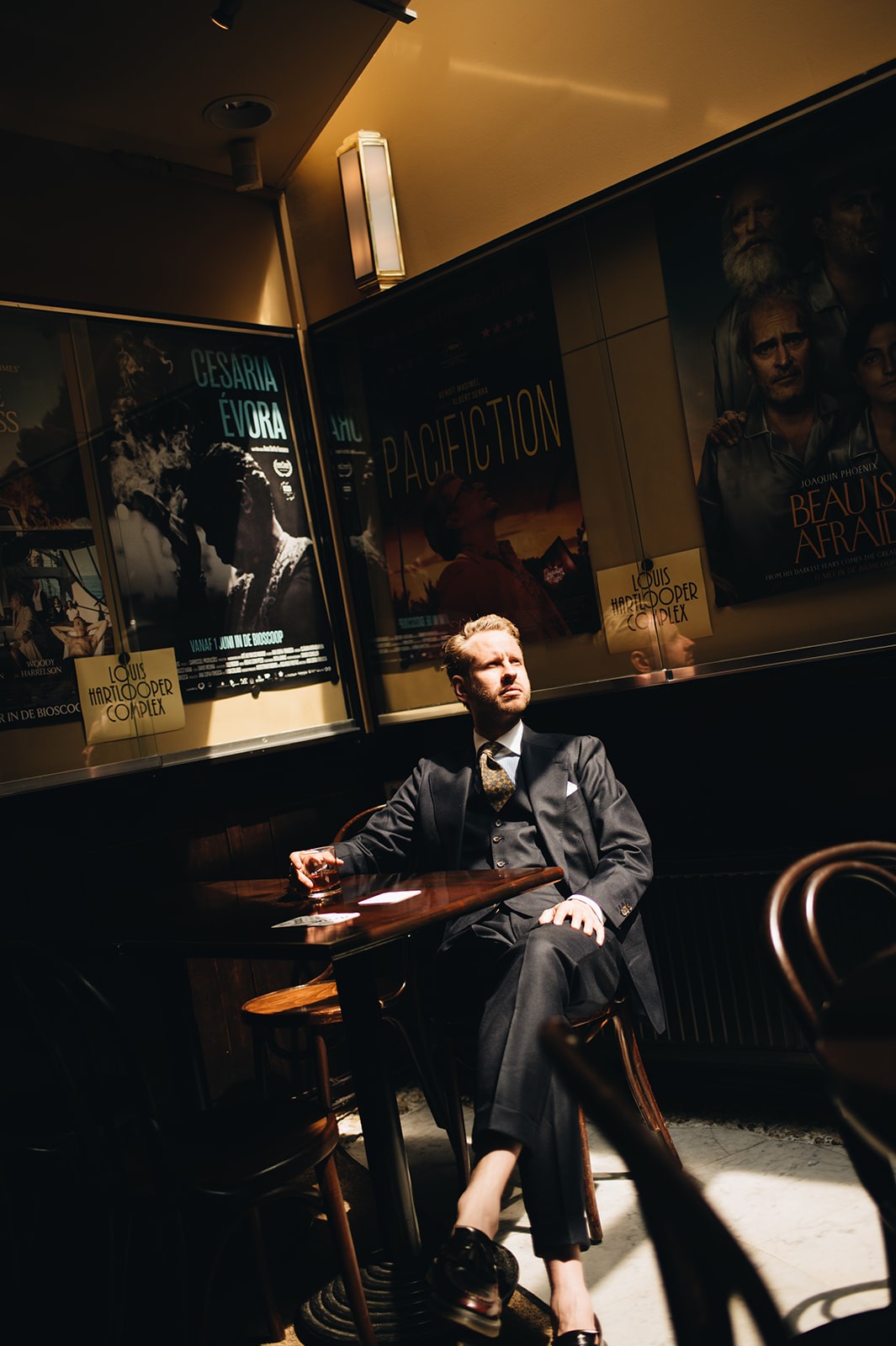
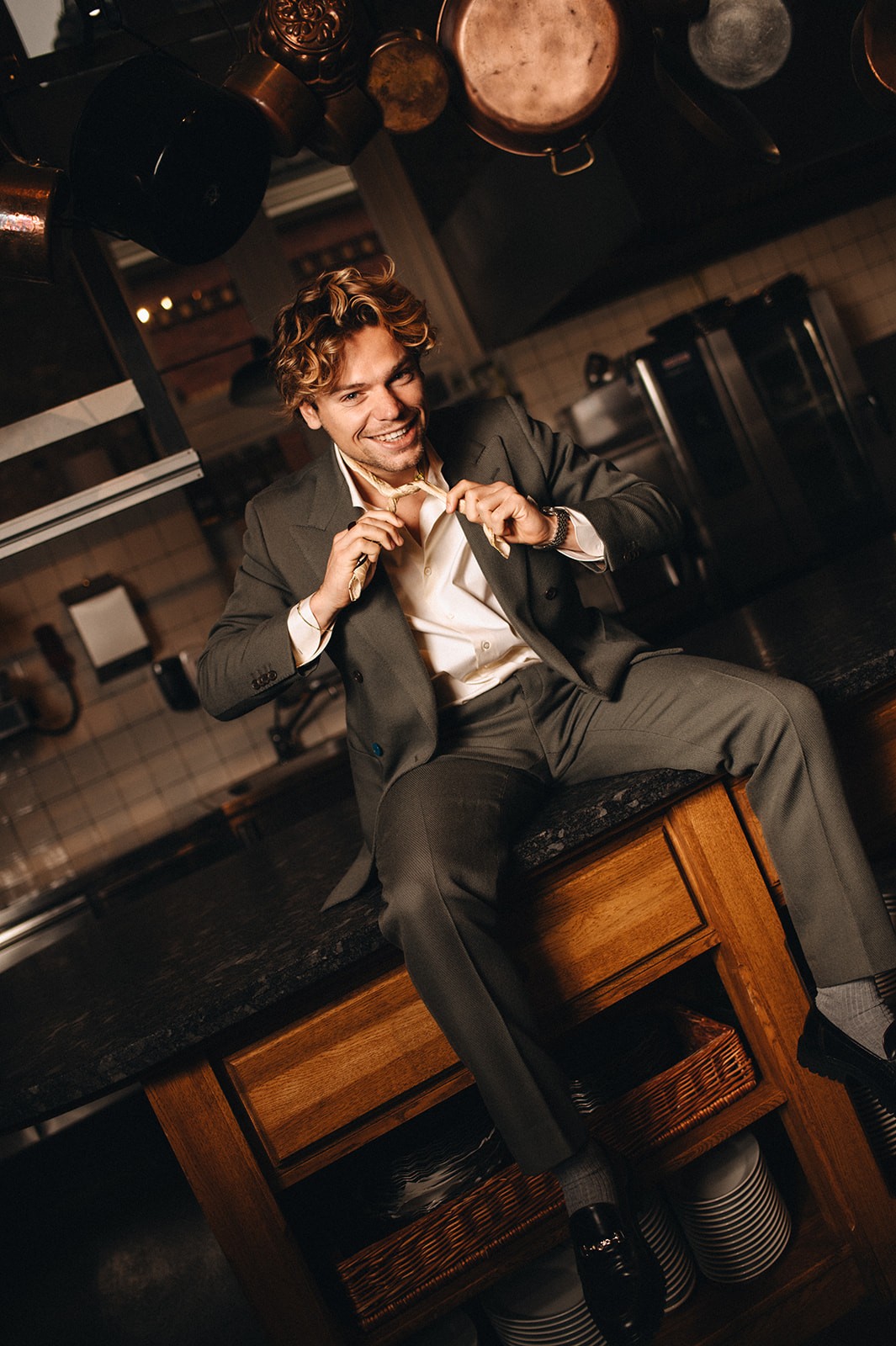
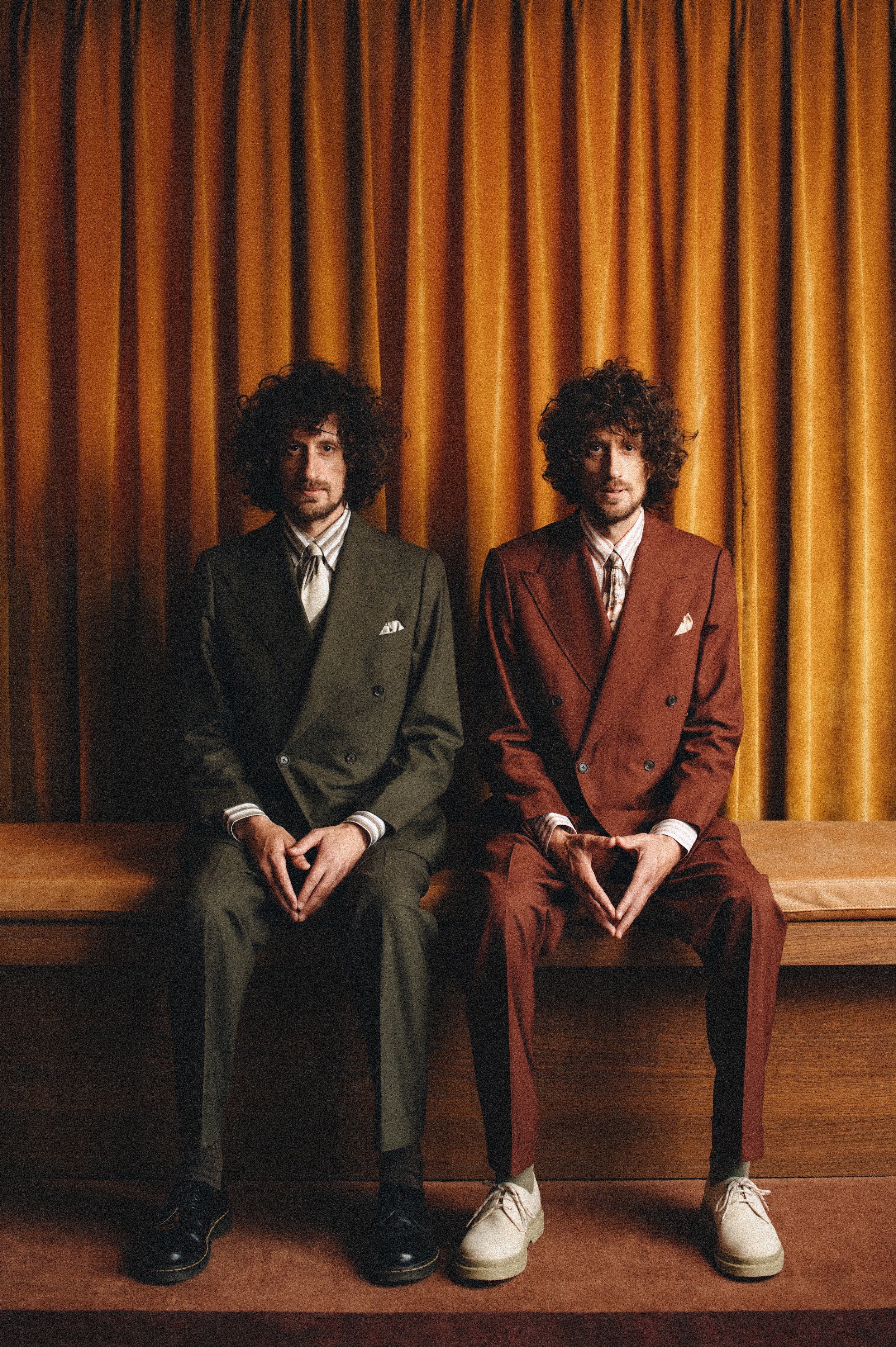
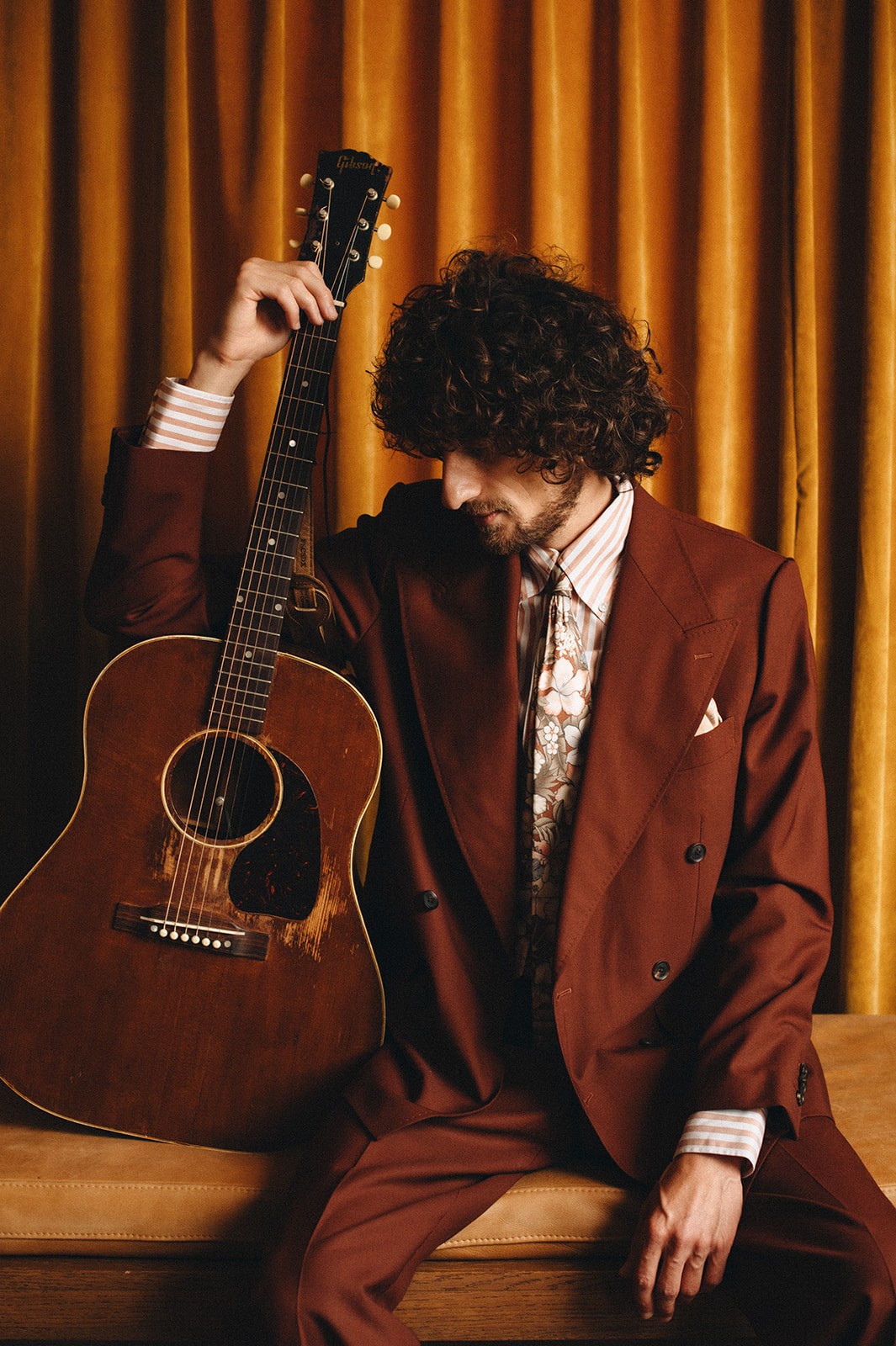
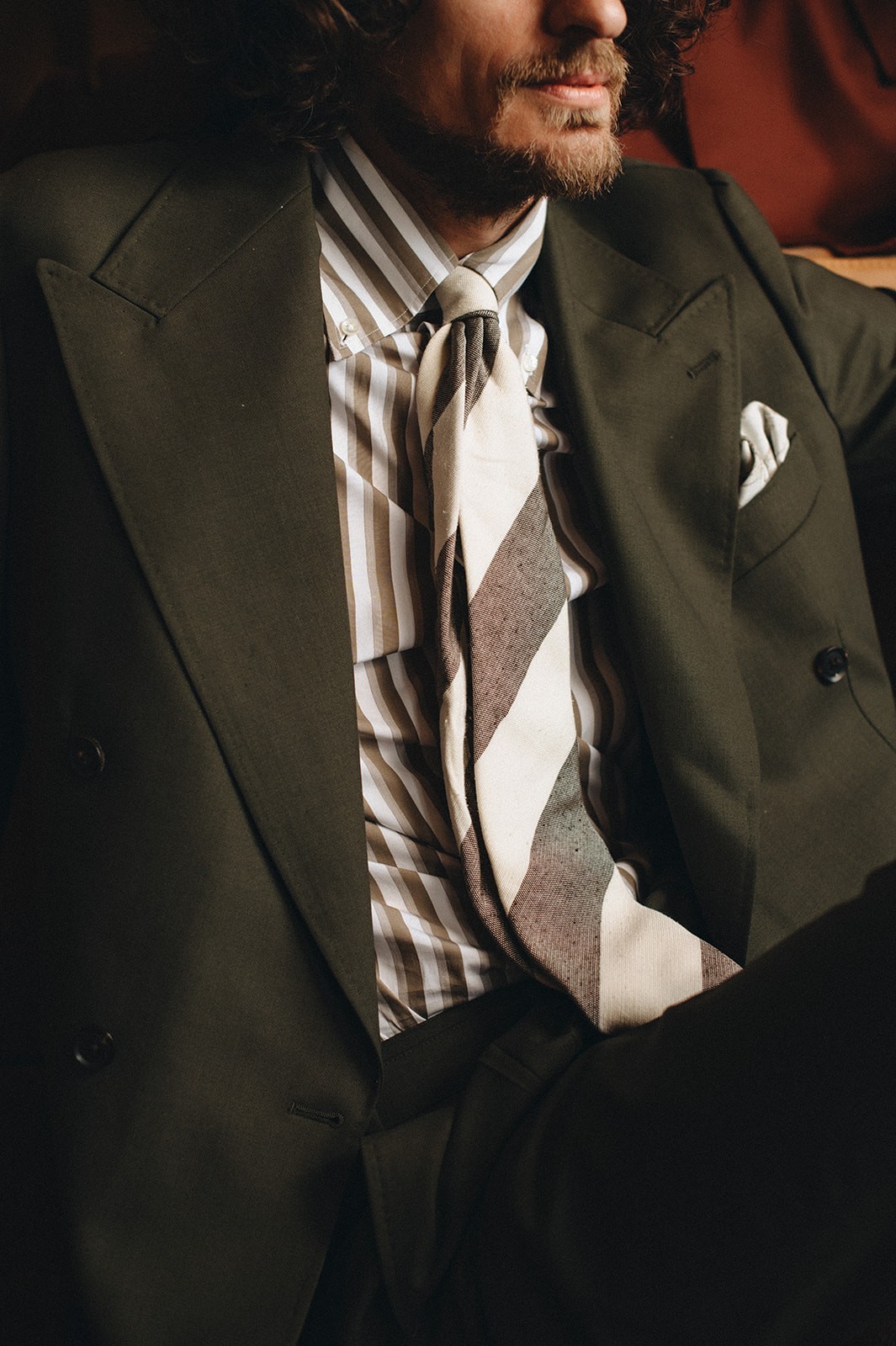
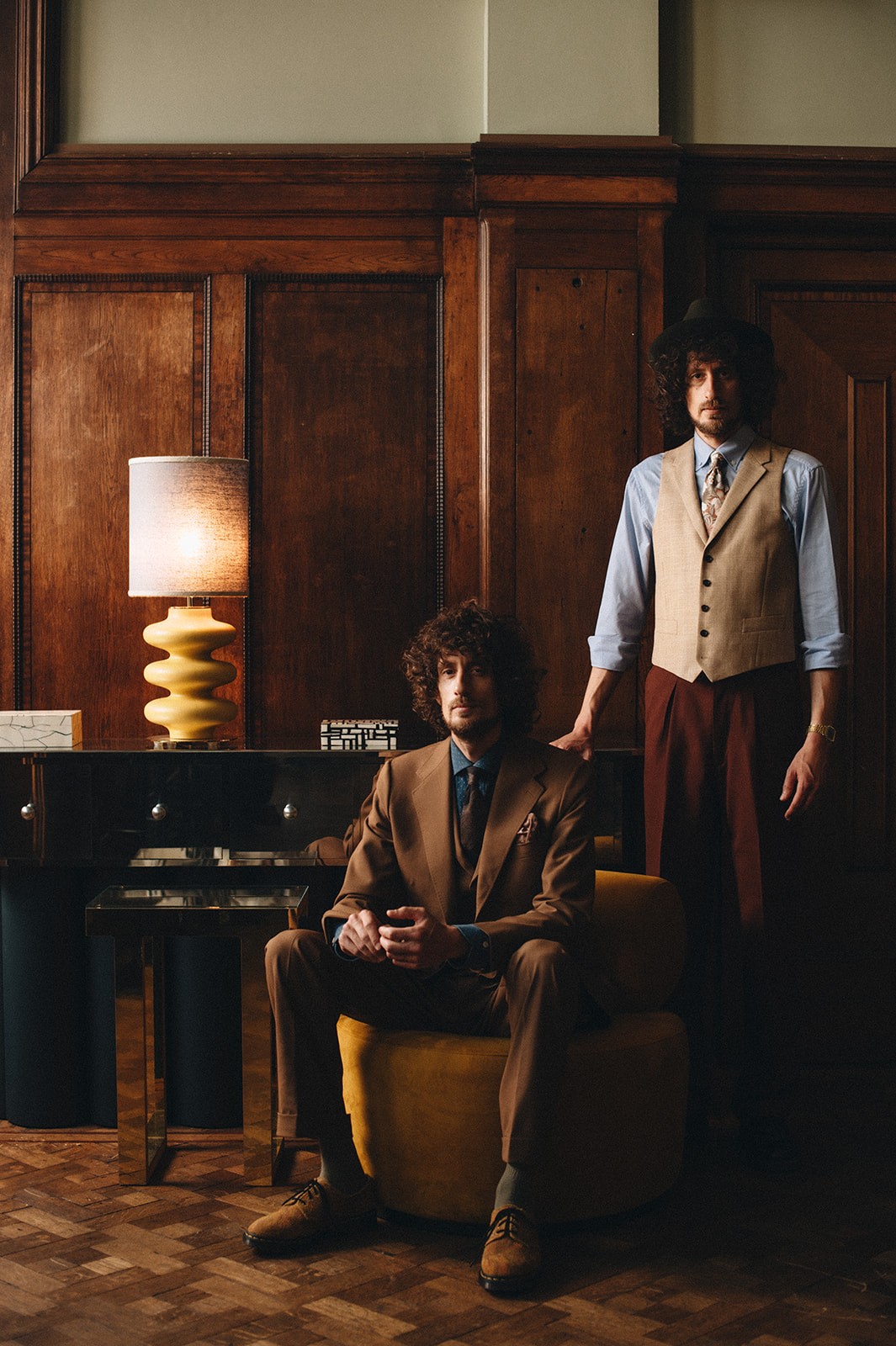
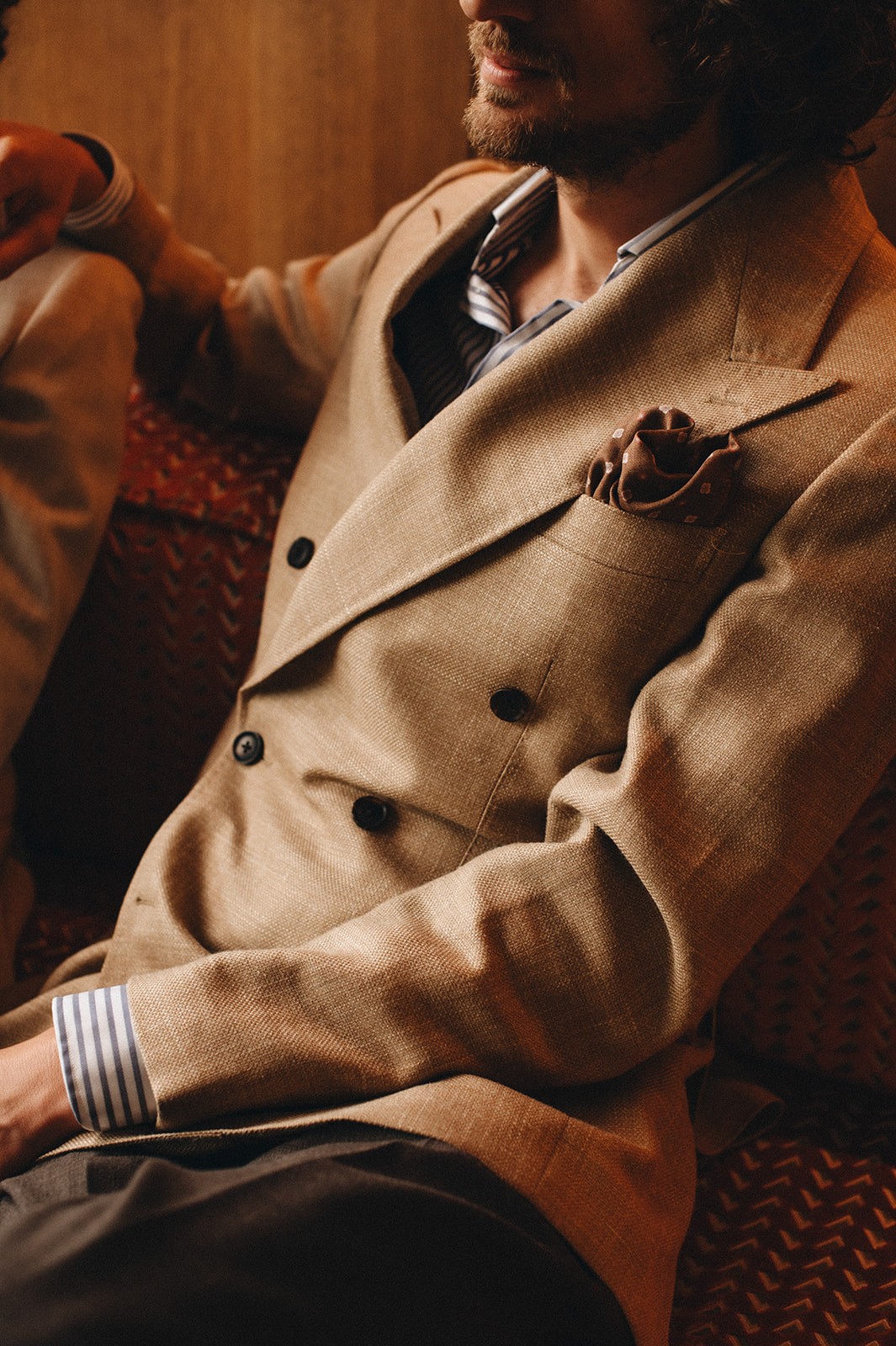
Arnout: “We hebben het altijd belangrijk gevonden om er goed uit te zien, op het podium, en daarbuiten. We zijn altijd wel een beetje ijdel geweest. Toen Beste Zangers op ons pad kwam, wilden we het nog iets beter aanpakken, zodoende zijn we bij Michael & Giso terechtgekomen. We voelden direct dat zij bij ons pasten. Wij zijn natuurlijk creatievelingen en kunstenaars, en ik vond het heel tof hoe zij daarin met ons meedachten. Zij zagen dat we op onze eigen manier gekleed wilden worden, niet per se volgens de laatste regeltjes. We voelden meteen dat we daar best van mochten afwijken, dat was heel fijn. Het is helemaal op maat voor ons gemaakt, maar wel wat ruimer dan normaal. Dat vinden wij mooi, wij houden wel van een knipoog naar de jaren ’70 en een authentieke stijl.”
Sander: “Het is een soort verslaving, omdat je het helemaal kan maken zoals je zelf wil. Ze hebben boeken vol met stoffen en eigenlijk wil je alles wel laten maken. Waar ze ook goed in meedenken, is dat wij muziek maken. De pakken moeten lekker zitten, zodat we er goed in kunnen optreden.”
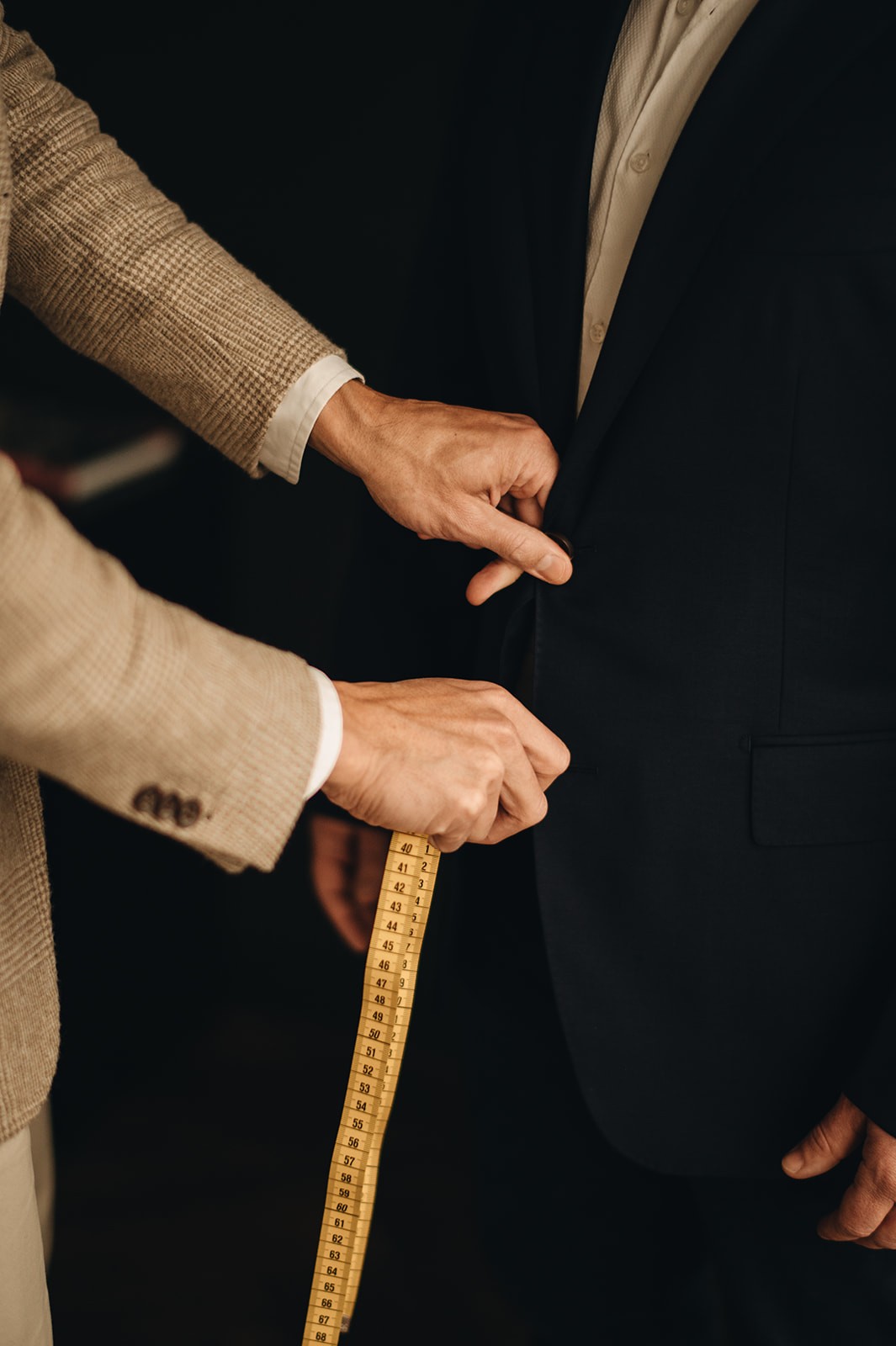
Arnout: “Het is heel fijn dat het op maat is, want wij hebben best wel gekke maten. We zijn lange jongens, niet de dikste, met lange armen. In een reguliere kledingwinkel zit het nooit goed. Overigens was het qua maatvoering heel relaxed, want toen ze mijn maten hadden opgenomen, wisten ze die van Sander ook meteen. Dat is als eeneiige tweeling echt precies hetzelfde.”
Te kleine schoenen
Arnout: “Voorheen droegen we altijd kleding in maat XS. Nu is het gelukkig wat meer oversized, dat zit veel lekkerder. In het verleden droegen we eigenlijk alles te klein, tot aan de schoenen toe. Wij hebben slanke benen, dus grote schoenen zagen er niet uit. Daardoor heb ik altijd veel te strakke schoenen gedragen, liep voor geen meter, maar puur voor de looks. We leven in een relaxte tijd wat dat betreft.”
Sander: “Onze stijl is altijd klassiek geweest. Als ik terugkijk naar toen we begonnen, liepen we al in een pantalon en blouse.”
Arnout: “Vanaf het begin was ik degene die af en toe een hoed opzette. Dat is een ongeschreven regel – als de één daarmee begint, doet de ander het niet. We zijn wel tweelingen en lijken gigantisch op elkaar, maar we willen het er niet om doen. Ik droeg altijd een hoed, Sander wat minder, dus ik mocht ‘m claimen.”
Sander: “Op het podium is het heel duidelijk: we zijn een tweeling. Dan is het niet erg als je dat een beetje aanzet. Maar als ik met Arnout de stad inga, dan wil ik niet dat we er hetzelfde bij lopen. Dan bel ik hem altijd even op: wat heb je aan?”
Arnout: “Hoe vaak hebben we dat wel niet meegemaakt – dat we allebei naar een verjaardag gingen en dan aankomen in bijna dezelfde kleding, verschrikkelijk.”